 +86-13867573512
 [email protected]
 Get a quote

 English
  Español
Is a clutch release bearing a throw out bearing?
Author: Heyang Date: Feb 16, 2026
Content
The Direct Answer: One Part, Two Names
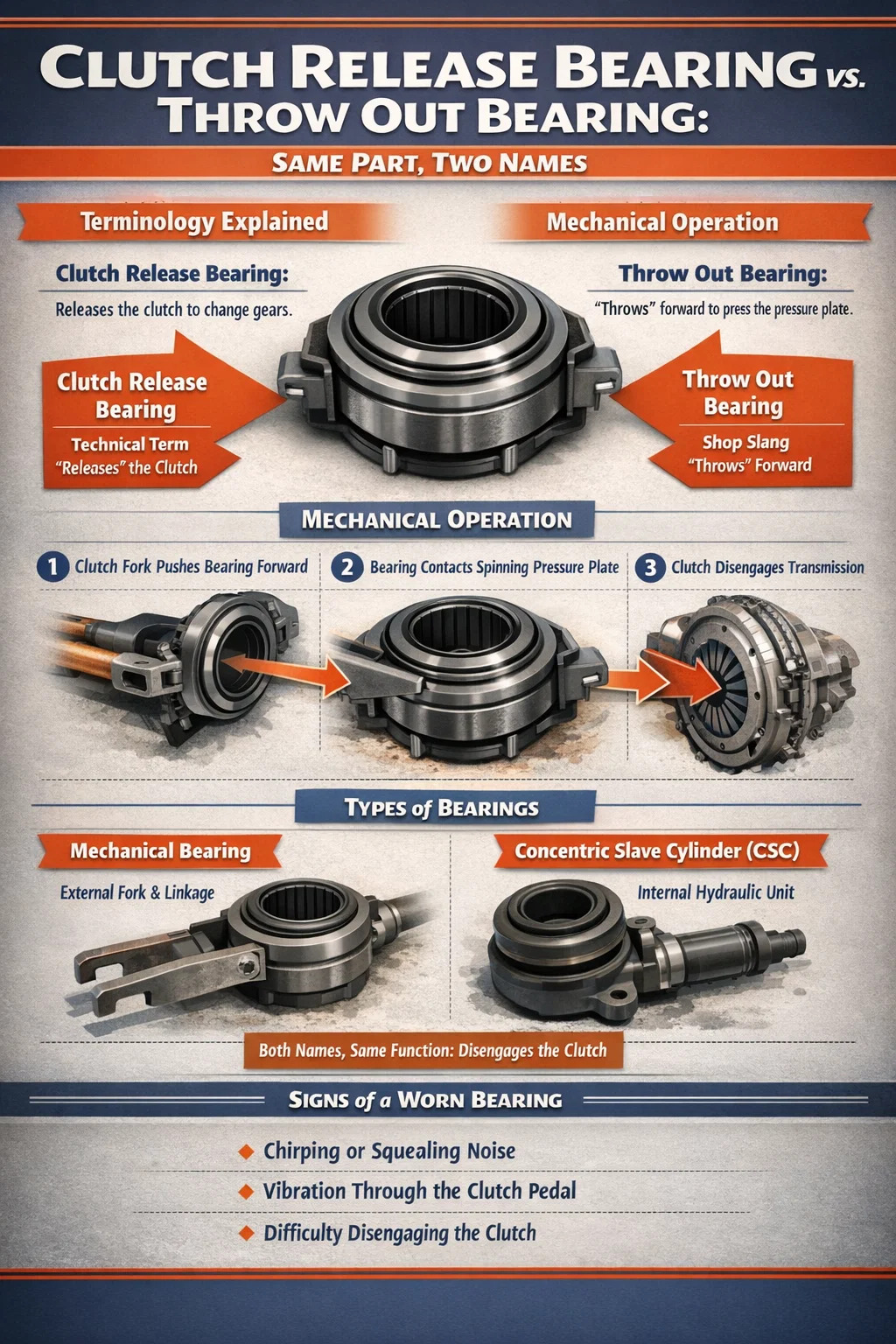
Yes, a clutch release bearing and a throw out bearing are exactly the same component. These terms are used interchangeably in the automotive industry to describe the specialized bearing that disengages the engine from the transmission when you press the clutch pedal. While "clutch release bearing" is the technical term found in most service manuals, "throw out bearing" is the common shop slang used by mechanics across the globe.
Why the Dual Terminology Exists
Understanding why we use two different names helps clarify its mechanical role. The term clutch release bearing describes the component's functional outcome: it "releases" the clutch tension so you can change gears. On the other hand, the name throw out bearing refers to the physical action of the bearing being "thrown" or pushed forward against the pressure plate's diaphragm springs.
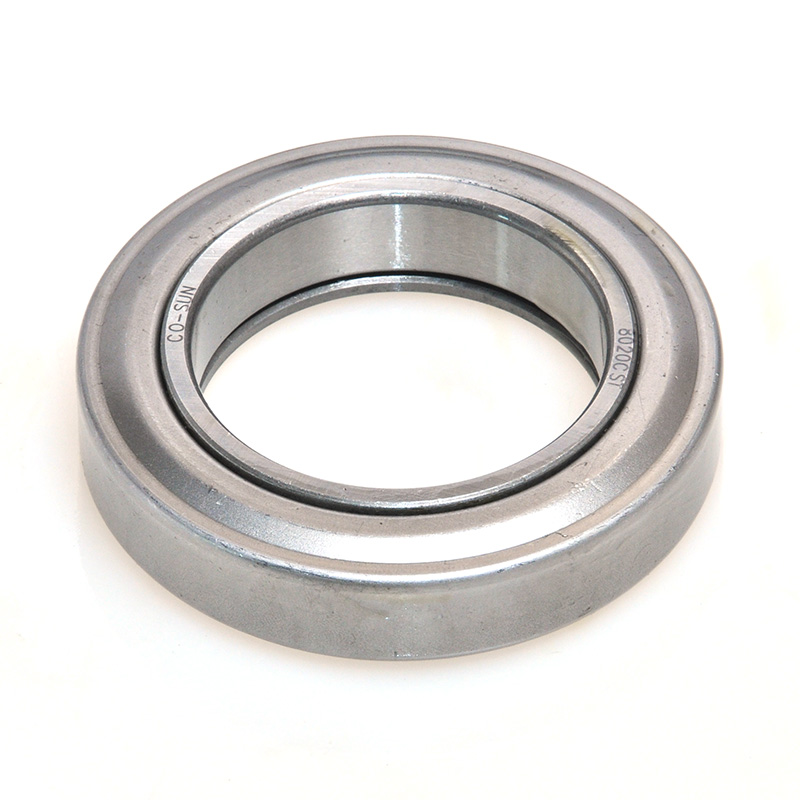
In a standard manual transmission setup, this part is mounted on a sleeve or input shaft slide and is actuated by a clutch fork. Whether you are buying a replacement kit for a heavy-duty truck or a compact car, the part number you seek remains the same regardless of which name the clerk uses at the counter.
Mechanical Operation and Functionality
To appreciate the importance of the clutch release bearing, one must look at the high-stress environment it inhabits. When the engine is running and the clutch is engaged (pedal up), the bearing is usually stationary and does not touch the spinning pressure plate. However, the moment you apply pressure to the pedal, the following sequence occurs:
- The clutch fork pushes the throw out bearing forward.
- The bearing makes contact with the diaphragm springs of the pressure plate, which are spinning at the engine's current RPM (often between 800 and 6,000 RPM).
- The bearing absorbs this rotational speed while applying forward force, compressing the springs and pulling the pressure plate away from the clutch disc.
Comparing the Two Main Types of Bearings
Not all clutch release bearings are designed the same. Modern engineering has introduced variations to improve pedal feel and longevity.
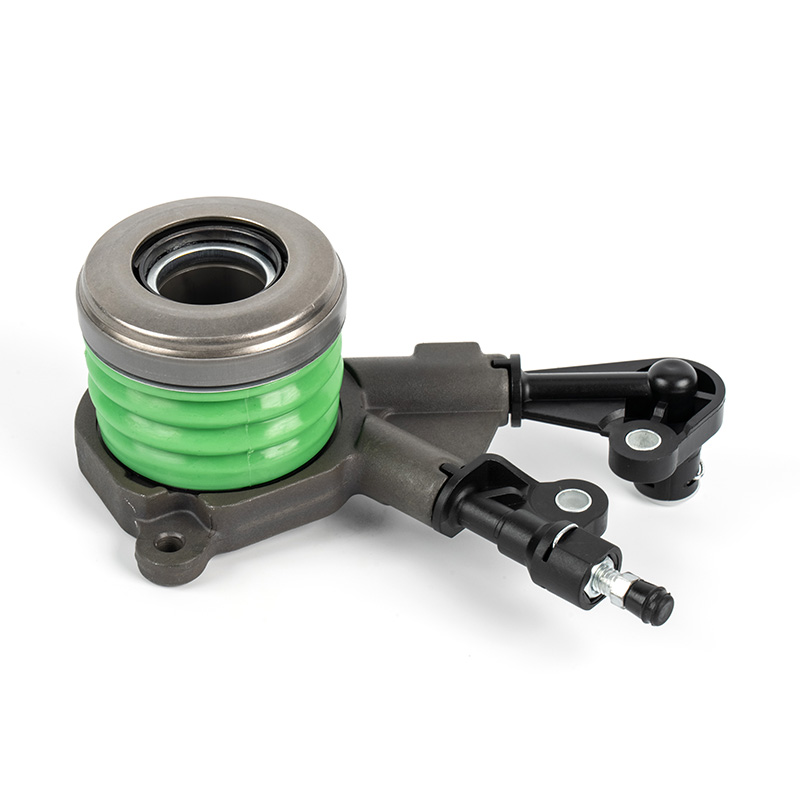
| Feature | Mechanical Bearing | Concentric Slave Cylinder (CSC) |
|---|---|---|
| Actuation | External fork and cable/linkage | Internal hydraulic pressure |
| Placement | Slides on a guide tube | Integrated with the slave cylinder |
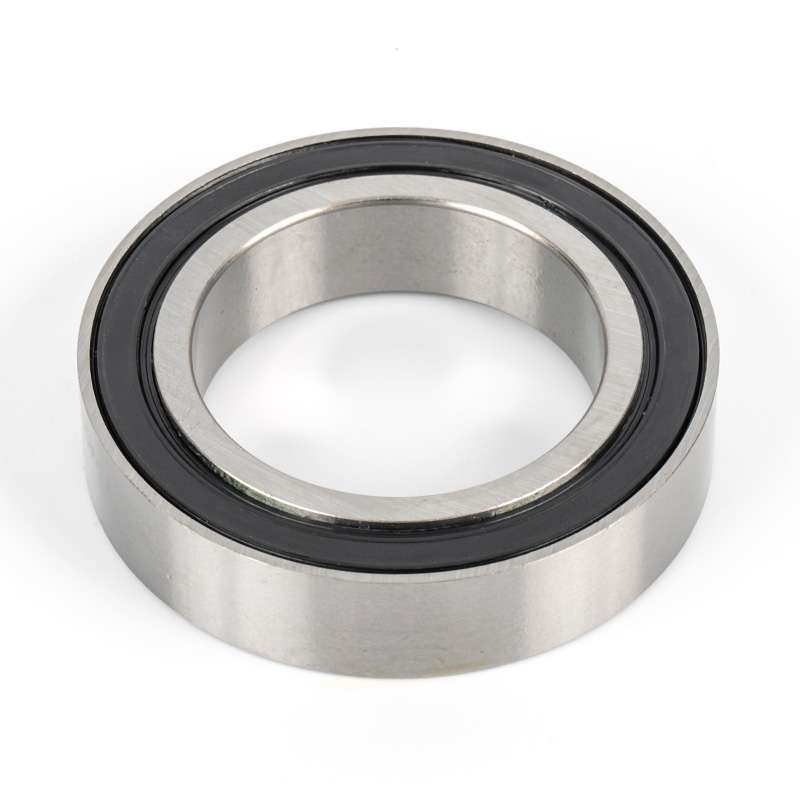
| Common Use | Older vehicles, heavy trucks | Modern passenger cars |
Identifying a Failing Component
Because the clutch release bearing only works when the pedal is depressed, diagnosing its failure is straightforward. If you hear a high-pitched squeal or a low-frequency growl when you push the clutch in, but the noise vanishes as soon as you lift your foot, the bearing is the primary suspect. A throw out bearing usually fails due to the loss of internal grease or excessive heat caused by "riding the clutch."
Typical Symptoms of Wear
- A "chirping" sound that changes rhythm with engine speed.
- Pulsation felt through the clutch pedal during gear changes.
- Total inability to disengage the clutch if the bearing seizes completely.
Maintenance and Replacement Insights
The clutch release bearing is almost never replaced as a standalone item because the labor required to access it—dropping the transmission—is extensive. In a shop environment, labor hours for this job typically range from 4 to 8 hours depending on the vehicle's drivetrain (FWD vs RWD). Therefore, it is standard practice to replace the bearing, clutch disc, and pressure plate as a complete kit to ensure long-term reliability and avoid paying for the same labor twice.
Related Products
Contact Us

A production enterprise specializing in the production of automobile clutch bearings and other non-standard bearings.
- Contact Information
-
 +86-575-86013311
 -
 +86-575-86013322
 -
 No. 50, Tashan 1st Road, Xinchang County, Shaoxing, Zhejiang, China

Copyrigh t© Xinchang Heyang Auto Parts Co., Ltd.. All Rights Reserved.
China auto bearing manufacturers wholesale auto bearing supplier
