 +86-13867573512
 [email protected]
 Get a quote

 English
  Español
What is a clutch release bearing? Let me tell you.
Author: Heyang Date: Dec 01, 2025
Content
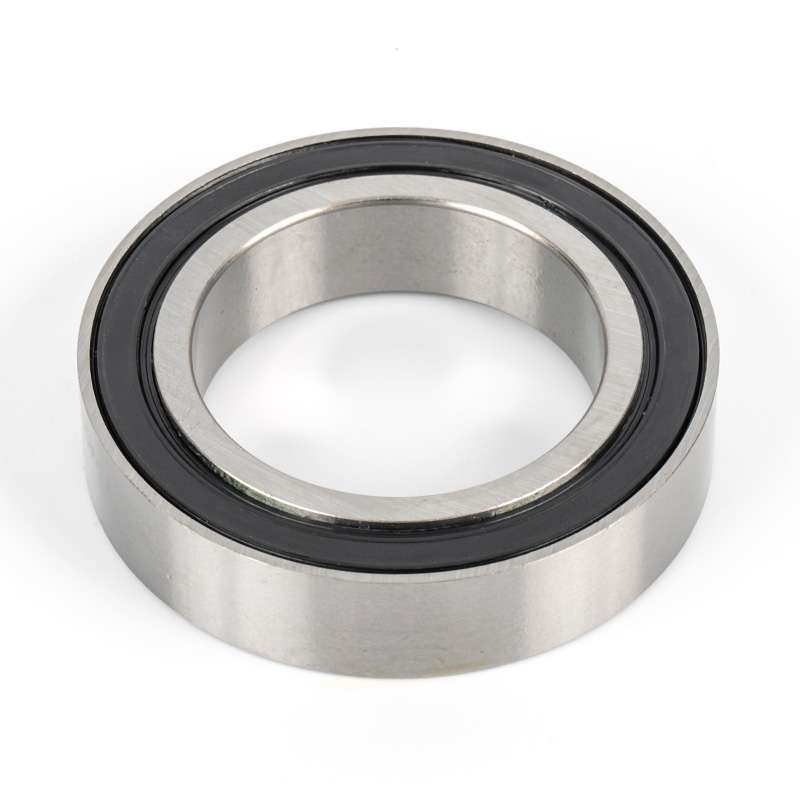
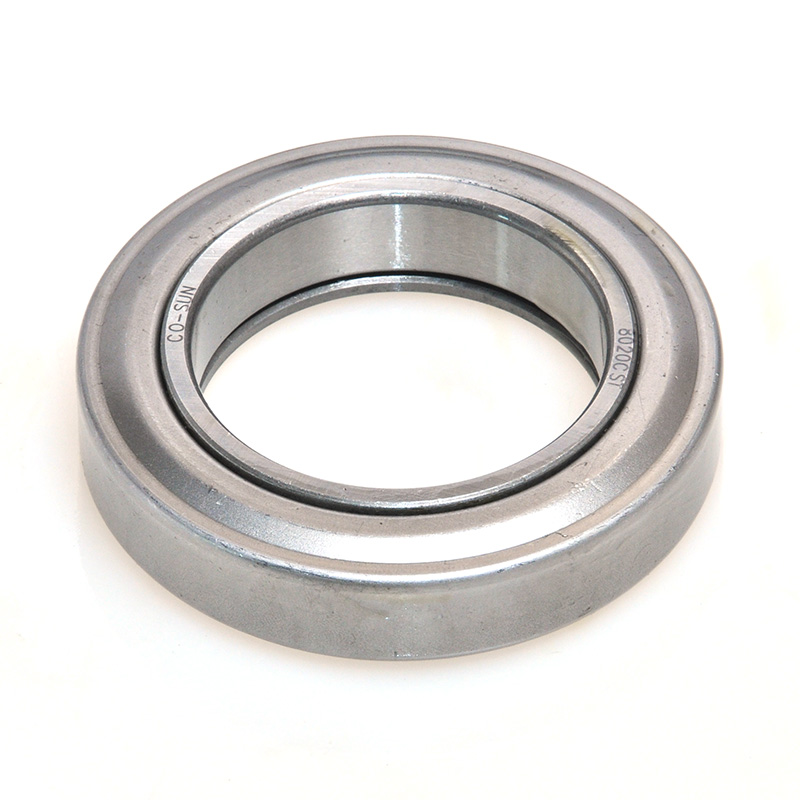
The clutch release bearing is a crucial small part in a car's clutch system, primarily helping the driver operate smoothly when shifting gears.
Basic Function and Definition
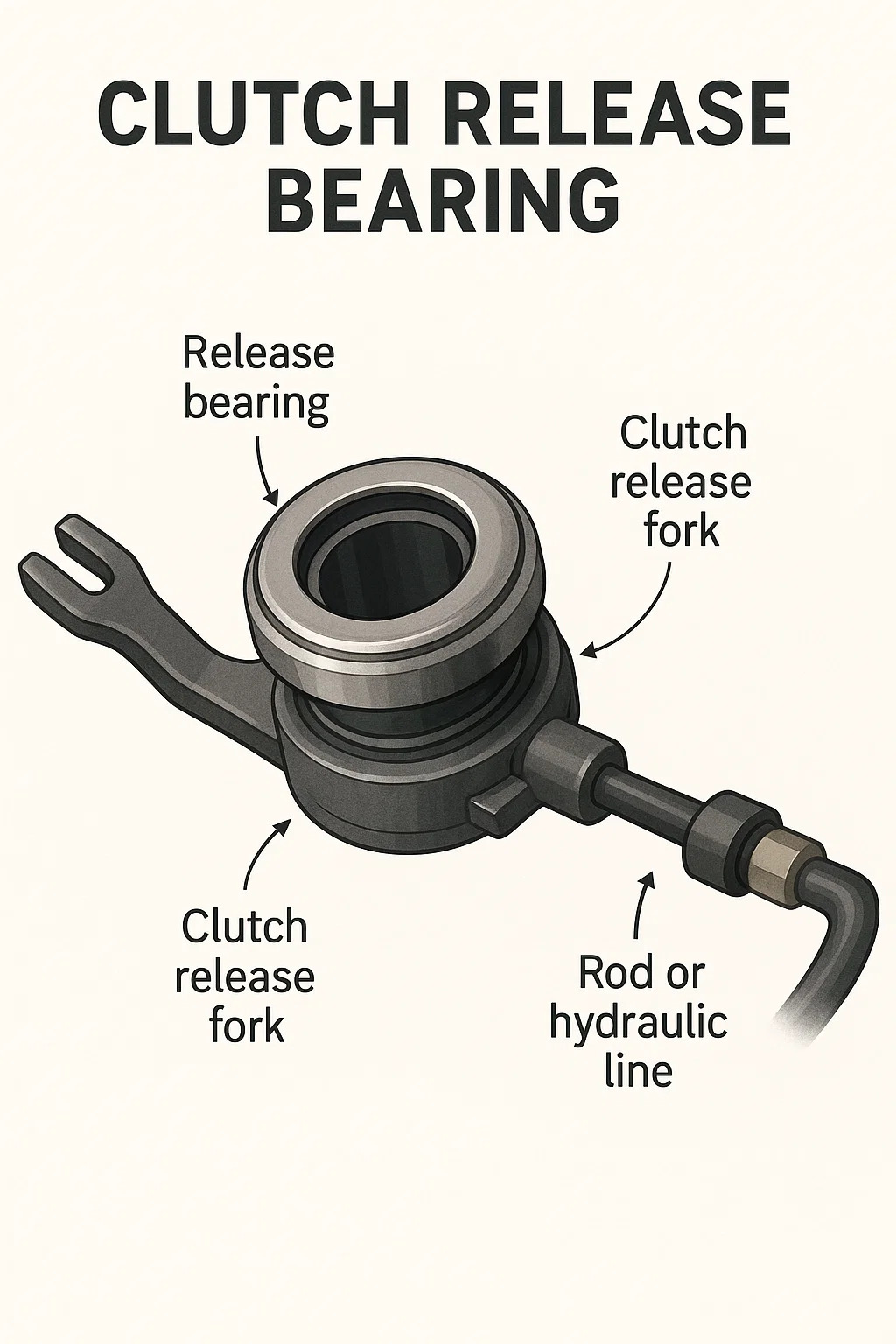
The clutch release bearing, also called the release bearing, is part of the clutch system. Its main task is to help separate the clutch plate and pressure plate when the driver presses the clutch pedal. This disconnects the engine from the transmission, allowing the driver to shift gears easily without causing the car to jerk or stall.
Location and Assembly Method
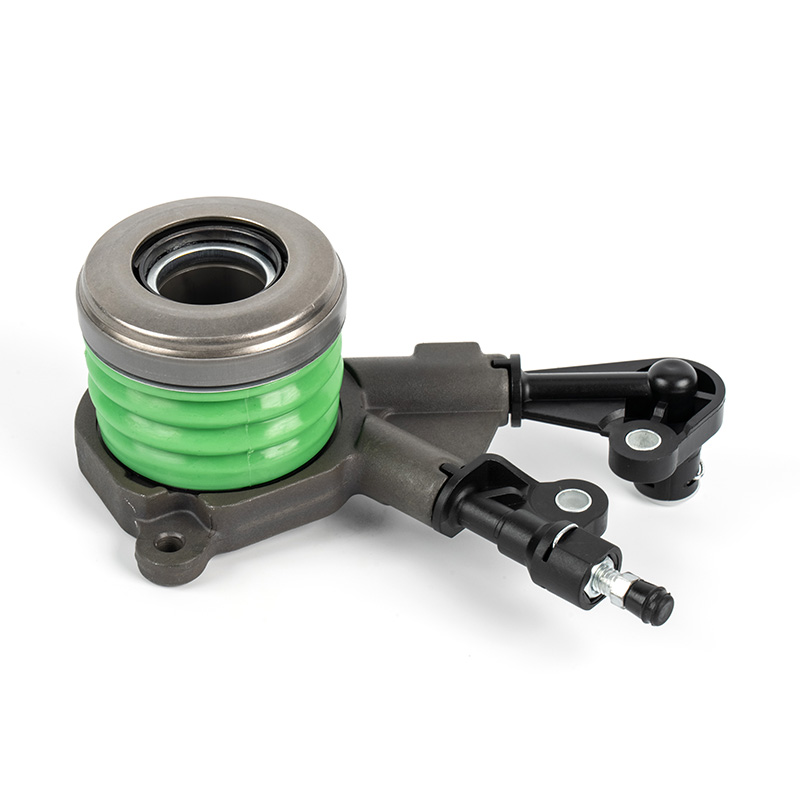
This bearing is usually mounted on the clutch release fork, located near the connection between the engine and the transmission. When you open the hood, it may be hidden inside and not easily visible. It is connected to the rod or hydraulic line from the clutch pedal, so when the pedal is pressed, the force is transmitted to this bearing to perform its function.
Working Principle
Simply put, when the driver presses the clutch pedal, the force is transmitted to the clutch release bearing through the rod or hydraulic system. The bearing then pushes forward, pressing against the clutch pressure plate. This releases the pressure plate, separating the clutch plate, and the engine's power is no longer transmitted to the transmission. After shifting gears, releasing the pedal allows the bearing to return to its original position, the clutch re-engages, and the car continues to move.
Why it's Important
Without a clutch release bearing, shifting gears would be very difficult, and could even cause slipping or strange noises. It ensures smooth clutch operation, protects other parts from wear and tear, and extends the life of the clutch system. It works silently during normal driving, but if it malfunctions, you'll notice difficulty shifting gears or a heavy clutch pedal.
Common Problems and Precautions
This part wears out over time, for example, the ball bearings or races inside the bearing may wear thin. When this happens, you might hear squeaking or feel vibrations when pressing the clutch, or experience difficulty shifting gears. Regular maintenance of the clutch system should include checking this bearing to avoid major repairs. If you hear unusual noises or experience difficulty shifting gears, you should have a mechanic check it; replacing it is not expensive.
Related Products
Contact Us

A production enterprise specializing in the production of automobile clutch bearings and other non-standard bearings.
- Contact Information
-
 +86-575-86013311
 -
 +86-575-86013322
 -
 No. 50, Tashan 1st Road, Xinchang County, Shaoxing, Zhejiang, China

Copyrigh t© Xinchang Heyang Auto Parts Co., Ltd.. All Rights Reserved.
China auto bearing manufacturers wholesale auto bearing supplier
